How Do I Check a Contractor's License in Florida?
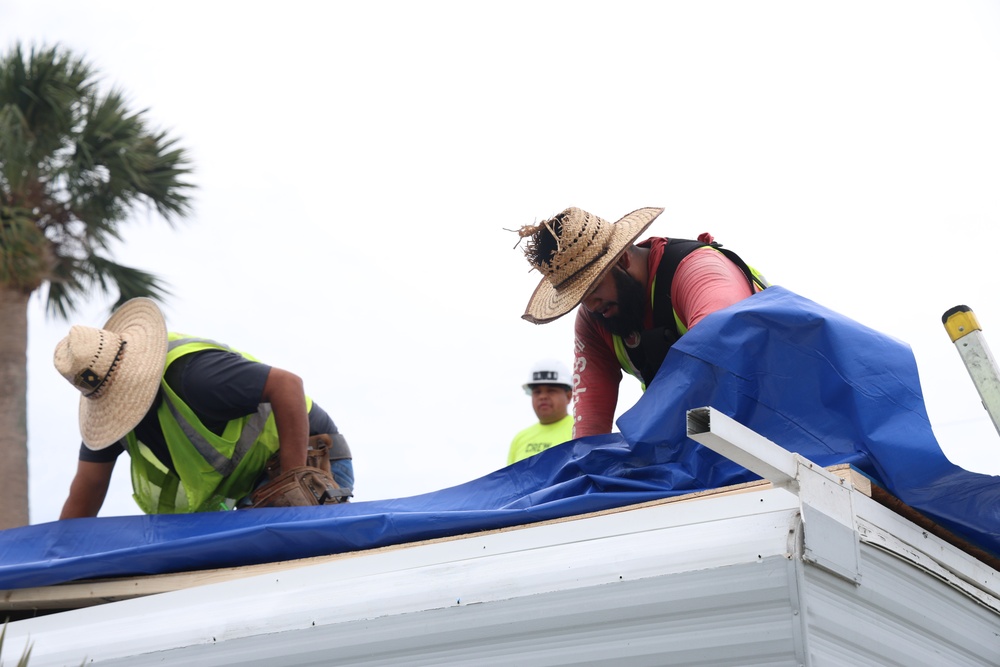
To check a contractor's license in Florida, search the name or license number at myfloridalicense.com, the Florida DBPR's free lookup, and confirm the license is current and matches the work. In Lakewood Ranch in 2026, also ask for insurance certificates and confirm the permit. Unlicensed contracting is a first-degree misdemeanor in Florida and a felony during a declared emergency.
Key facts
- Florida DBPR's free license search covers contractors, real estate licensees and CPAs
- Certified contractors can work anywhere in Florida; registered contractors only in their local jurisdiction
- Unlicensed contracting is a first-degree misdemeanor, and a third-degree felony during a declared state of emergency
- Contracts signed with an unlicensed contractor are unenforceable by that contractor (F.S. 489.128)
- Contractors taking more than 10% up front must apply for permits within 30 days (F.S. 489.126)
- Lawn companies applying fertilizer for hire need a state limited certification (since January 1, 2014)
How do I check a contractor’s license in Florida, step by step?
Use the free license search at myfloridalicense.com, run by the Florida Department of Business and Professional Regulation (DBPR), and confirm the license is active, in the right name and for the right kind of work. It takes about five minutes and works the same in Manatee and Sarasota counties.
- Get the license number. Ask for it in writing. Licensed contractors expect the question.
- Open the DBPR license search at myfloridalicense.com. You can search by name, license number, city or county, or license type.
- Check the status. You want a current, active license. Anything else is a reason to ask questions before you sign.
- Match the name. The person or company on the license should match the company on your quote and contract. A license lent from someone else is a red flag.
- Match the license type to the job. An air-conditioning license does not cover a roof, and a pool license does not cover electrical work in the house.
- Check certified or registered. A certified contractor can work anywhere in Florida. A registered contractor can only work in the local jurisdiction where the registration applies.
- Read the details page. Open the full license record and review anything noted there. If something is unclear, file a question or complaint with DBPR through the same site.
- Check the business entity. Search the company on the Florida Division of Corporations site (Sunbiz) to confirm it is active and see who runs it.
What license does each type of home service need?
Trades that touch structure, plumbing, wiring or refrigerant need a state license; cleaning and routine maintenance often do not. This table covers the six services this site’s hubs cover.
| Service | License needed? | Who issues it | What to check |
|---|---|---|---|
| AC replacement and repair | Yes, air-conditioning or mechanical contractor | DBPR Construction Industry Licensing Board | Certified licenses start with “CA” (Class A to C), registered with “RA”; Class B is limited to 25 tons of cooling per system |
| Pool equipment repair, heaters, pool building | Yes, pool/spa contractor | DBPR Construction Industry Licensing Board | Active license that covers repair and servicing |
| Routine pool cleaning | No, for cleaning, filter changes and simple water treatment | Not licensed by the state | Insurance and a clear service agreement |
| Lawn fertilizing for hire | Yes, limited certification for urban landscape fertilizer application | Florida Department of Agriculture and Consumer Services | Certification card; local best management practices training |
| Real estate agent | Yes, sales associate or broker | DBPR Division of Real Estate | Active license and the brokerage it is under |
| CPA | Yes, CPA license | DBPR Division of Certified Public Accounting (Board of Accountancy) | Active license; the firm’s license too |
| Balloon and event decor | No state trade license | Not licensed by the state | Insurance (many venues require it), contract and reviews |
Sources: Florida Statutes 489.105 and 482.1562, and DBPR. For lawn care, workers who only apply fertilizer the homeowner provides at a single residence are exempt from the certification. For more on each trade, see the HVAC, pool cleaning, lawn care, real estate, CPA and balloon decor hubs.
Do small jobs need a licensed contractor?
Florida exempts casual, minor or inconsequential work under $2,500 total, but the exemption is narrower than many people think. Under Florida Statute 489.103, the exemption does not apply when the small job is part of a larger project or when the person advertises as a contractor. Work in licensed trades such as electrical, plumbing and air conditioning generally needs a licensed contractor no matter the price.
Homeowners can also act as their own contractor on their own one- or two-family home under the owner-builder exemption. You must live in the home (not build it to sell or rent), personally supervise the work and sign the permit application yourself. If anything goes wrong, you carry the responsibility a contractor would.
What insurance should a contractor have?
Ask for a certificate of liability insurance and proof of workers’ compensation coverage or an exemption, and check that the dates are current. Liability insurance pays for damage the contractor causes to your property. Workers’ compensation covers a worker hurt on your job; without it, an injured worker may look to you. Ask the contractor to have the insurance agent send the certificate directly to you, which is harder to fake than a PDF the contractor forwards. The Florida Department of Financial Services keeps workers’ compensation coverage and exemption records, which DBPR points contractors to.
How do permits protect me?
A permit means the county reviews the plan and inspects the work, which protects you, your insurance and your future buyer. In Manatee County, jobs such as replacing an air conditioner, re-roofing and building a pool require a permit. Your contractor normally pulls it and includes the fee in the price.
Two Florida rules help homeowners here:
- Deposits and permits. If a contractor takes more than 10 percent of the contract price up front on residential work, Florida Statute 489.126 requires them to apply for permits within 30 days and start work within 90 days after permits are issued.
- Notice of commencement. For improvements over $2,500, Florida’s construction lien law generally requires the owner to record a notice of commencement with the county clerk before work starts and post a copy at the job site. It helps protect you from liens filed by unpaid subcontractors and suppliers.
Ask for the permit number and look it up on the county’s permit portal. Our guide to AC replacement cost explains how the permit fits into an HVAC quote.
What are the red flags of a bad contractor?
The biggest red flags are no license number, a cash-only demand, a large up-front deposit and an offer to skip the permit. Watch for:
| Red flag | Why it matters |
|---|---|
| Will not give a license number, or the number does not match the name | May be unlicensed or using someone else’s license |
| Asks you to pull the permit as an owner-builder | Shifts legal responsibility for the work to you |
| Suggests skipping the permit to save money | No inspection, and problems at resale or insurance time |
| Wants cash, or a large deposit before any permit | Hard to recover money if they disappear |
| Door-to-door after a storm, with pressure to sign today | Common after hurricanes; unlicensed work during an emergency is a felony |
| No written contract, or a vague one | Nothing to hold them to on scope, price or schedule |
| Only a cell number, no business address or Sunbiz record | Hard to find them later |
| Quote far below everyone else’s | May skip permits, insurance or quality equipment |
After a hurricane, be especially careful. Florida Statute 489.127 makes unlicensed contracting during a state of emergency declared by the Governor a third-degree felony. Our guide to hurricane prep for your pool, AC and yard covers who to call after a storm.
What should be in the contract?
A written contract should spell out the scope, price, payment schedule, timeline, permits and warranties, with the license number on it. Before you sign, make sure it includes:
- The contractor’s legal business name, address and license number
- A detailed description of the work and the materials or equipment, with model numbers
- The total price and a payment schedule tied to completed stages, not dates
- Who pulls the permit and who pays for it
- Start and completion dates
- Warranty terms for labor and for equipment
- How changes to the job are approved and priced (written change orders)
Keep copies of everything, including the license lookup and insurance certificate.
What if I already hired an unlicensed contractor?
Stop paying, document the work, and report it to DBPR. Florida Statute 489.128 makes contracts with unlicensed contractors unenforceable by the contractor, and they lose lien rights for the work. Talk to an attorney about your own situation, especially if money or significant damage is involved. You can file a complaint, including about unlicensed activity, through myfloridalicense.com. Then have a licensed contractor inspect the work and pull any permit that should have been obtained.
If you are new to the area and setting up a home, our first 30 days in Lakewood Ranch checklist lists the services most new residents line up.
Frequently asked questions
How do I look up a contractor's license in Florida?
Go to myfloridalicense.com and use the DBPR license search. You can search by name, license number, city or county, or license type. Check that the license is current, that the name matches the company on your contract, and that the license type covers the job.
What is the difference between a certified and a registered contractor?
A certified contractor holds a state certificate of competency and can work anywhere in Florida. A registered contractor met a local competency requirement and can only work in the jurisdiction where that registration applies.
Does a pool cleaning company need a license in Florida?
Not for routine cleaning. Florida law says a license is not required to clean a pool in a way that does not affect its structure or equipment, or for filter changes and simple water treatment. Repairing or servicing pool equipment does require a pool/spa contractor license.
Does a handyman need a license for small jobs?
Florida exempts casual, minor or inconsequential work when the total contract price is under $2,500, but the exemption does not apply if the job is part of a larger project or the person advertises as a contractor. Licensed trades like electrical, plumbing and AC work generally require a licensed contractor regardless.
What happens if I hire an unlicensed contractor?
You take on the risk. Unlicensed contracting is a crime in Florida, the contractor cannot enforce the contract against you, and you may have trouble with permits, inspections and insurance claims if the work is bad. Check before you sign.
How do I report an unlicensed contractor?
File a complaint with the Florida DBPR through myfloridalicense.com. The site also has an unlicensed activity search and complaint option.
Is a large deposit a red flag?
It can be. Under Florida law, a contractor who takes more than 10 percent of the price up front on a residential job must apply for permits within 30 days and start work within 90 days after permits are issued. Pay deposits by check or card, never cash.
Also useful when you set up your home: pool cleaning in Lakewood Ranch, lawn care in Lakewood Ranch, real estate in Lakewood Ranch, cpa & tax services in Lakewood Ranch, party & balloon decor in Lakewood Ranch.
Sources
- Florida DBPR: License search
- Florida DBPR: Construction Industry Licensing Board
- Florida DBPR: Division of Real Estate
- Florida DBPR: Division of Certified Public Accounting
- Florida Statutes 489.103: Exemptions
- Florida Statutes 489.105: Definitions
- Florida Statutes 489.126: Moneys received by contractors
- Florida Statutes 489.127: Prohibitions; penalties
- Florida Statutes 489.128: Contracts entered into by unlicensed contractors unenforceable
- Florida Statutes 482.1562: Limited certification for urban landscape commercial fertilizer application
- Florida Statutes 713.02: Construction liens, types of improvements
- Florida Statutes 713.13: Notice of commencement
- Florida Division of Corporations (Sunbiz): Search records
- Manatee County Building and Development Services: What does and doesn't require a permit