How Do I Prepare My Pool, AC and Yard for a Hurricane in Lakewood Ranch?
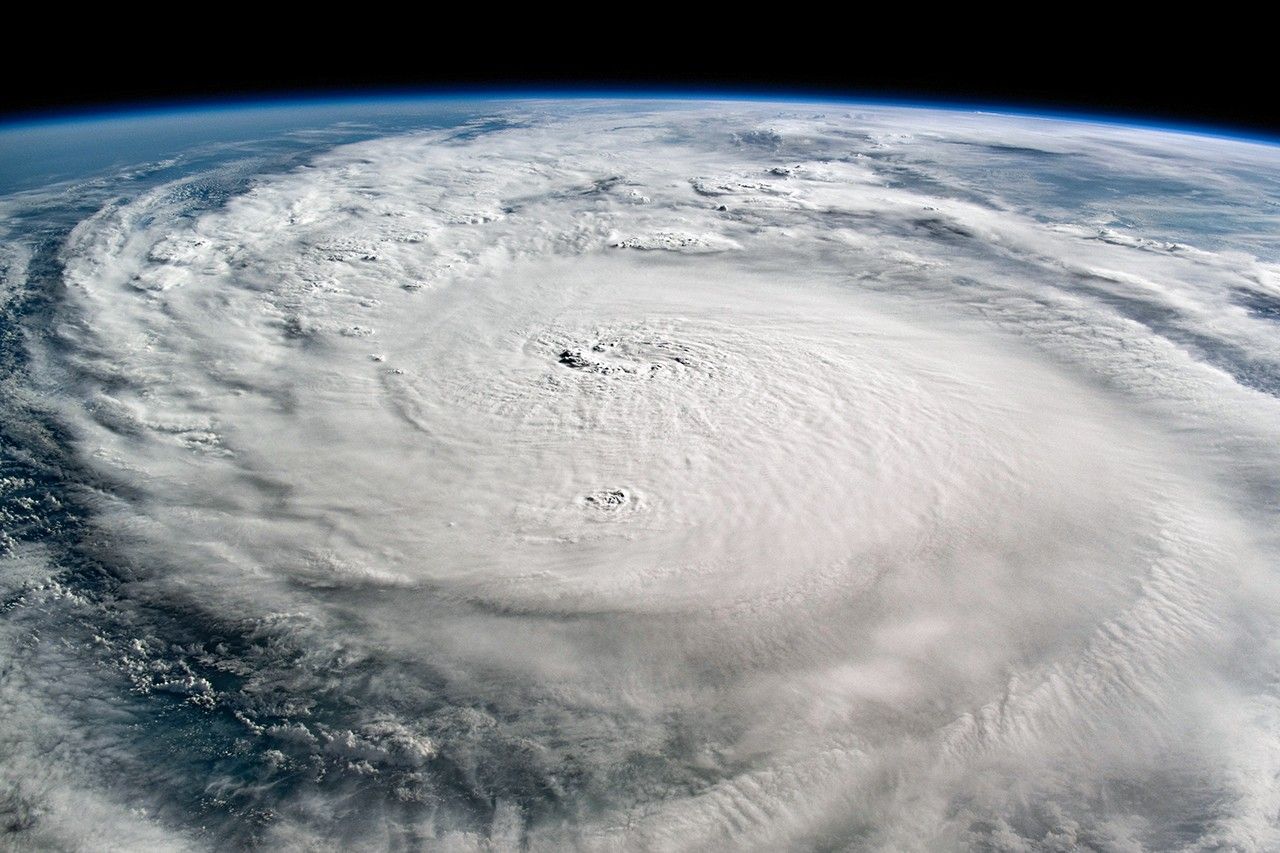
To prepare a Lakewood Ranch, Florida home for a hurricane, keep the pool full and shock it, bring in furniture, turn off pool and AC breakers as the storm arrives, and trim trees before the June 1 to November 30 season. In 2026, do not restart a flooded AC until a technician checks it, and sort storm debris by type.
Key facts
- Atlantic hurricane season runs June 1 through November 30 (NOAA)
- Do not drain your pool before a storm; the water's weight helps hold the shell in place
- Run portable generators outside, at least 20 feet from the house (CPSC)
- Have a flooded AC inspected before turning it on (Lennox)
- Manatee County collects storm debris in 3 separate piles: vegetative, construction and demolition, and appliances
- UF/IFAS: hire a certified arborist to prune trees taller than about 15 feet before the season
When should I start hurricane prep for my home?
Start before June 1, when the Atlantic hurricane season begins, and finish the big jobs (tree trimming, AC service, pool equipment checks) before a storm is ever named. NOAA dates the season from June 1 through November 30. Lakewood Ranch, Florida (Manatee and Sarasota counties) sits inland from the Gulf, but strong wind, heavy rain and power outages reach inland neighborhoods too.
| When | Pool | AC | Yard |
|---|---|---|---|
| Before the season (by June 1) | Check pump, filter and timer; fix leaks | Spring tune-up, clear drain line, note breaker locations | Have trees pruned; remove dead limbs and broken items |
| Storm forecast (2 to 3 days out) | Shock the pool; keep water level normal; bring in furniture | Clear items around the outdoor unit; secure it if possible | Bring in pots, décor and tools; turn off irrigation |
| Storm arriving | Turn off pool equipment at the breaker | Turn off breakers to the outdoor unit and air handler | Stay inside |
| After the storm | Remove debris by hand or skimmer, check equipment is dry before power, rebalance | Inspect before restarting; call a pro if flooded or hit | Sort debris by type for county pickup; check trees |
The rest of this guide explains each step. For insurance, flood zones and evacuation, see our guide to hurricanes, flooding and insurance in Lakewood Ranch.
How do I prepare my pool for a hurricane?
Leave the water in, shock it, clear the deck and turn off the equipment at the breaker as the storm arrives. This is the advice of both the Florida Swimming Pool Association and UF/IFAS Extension.
- Do not drain the pool. UF/IFAS says not to drain or partly drain before a storm. The weight of the water helps hold the sides and bottom in place. An empty or low pool risks pump damage, plumbing problems and structural harm.
- Shock it. Super-chlorinating before the storm gives you a buffer if the power is out for days and the pump cannot run.
- Bring furniture inside. UF/IFAS advises not putting outdoor furniture in the pool. The pool association allows plastic loungers to be placed in gently if there is nowhere else, but never anything glass.
- Keep debris out. Do not trim plants into the pool or pressure-wash the deck toward it.
- Run the pump while you have power. UF/IFAS suggests keeping the pump running and emptying baskets to maintain circulation as long as power is on.
- Cut the power when the storm arrives. The pool association advises turning off pool equipment at the circuit breaker and covering or removing exposed motors if flooding is expected.
If the pool overflows during the storm, let it. UF/IFAS notes that pools are built to handle water.
What should I do with my pool after a hurricane?
Make sure the area is safe, clear debris quickly, lower the water once things dry out, and rebalance the chemistry. UF/IFAS lists these steps:
- Check for hazards first: downed lines, damaged screen enclosures and loose debris.
- Remove leaves and debris before they decompose and stain the surface.
- Once the ground dries, lower the water level to the middle of the tile line.
- Test chlorine and pH and shock again if needed.
- Watch for wildlife. After floods, alligators and snakes can turn up in pools and enclosures.
Before you turn the pump back on, make sure the equipment and electrical connections are dry. If equipment was underwater, have a professional check it first. Storm rain dilutes chlorine fast, so a pool left a few days without power often turns green. Our guide to fixing a green pool walks through the recovery steps.
How do I protect my AC before a hurricane?
Turn off the breakers to the outdoor unit and indoor air handler as the storm approaches, secure the outdoor unit, and clear anything that could hit it. Lennox’s hurricane guidance recommends:
- Turning off the breakers to the AC or heat pump and the indoor air handler
- Tightening the outdoor unit’s bolts and using hurricane straps where possible
- Shielding the outdoor unit from flying debris
- Raising the unit on a platform if flooding is a real risk at your home
Do the routine work earlier in the season. A spring tune-up and a clear drain line mean the system is in good shape if you have to restart it in muggy post-storm heat. Our AC summer prep checklist covers those steps. Take photos of the outdoor unit and its data plate for your insurance records.
Is it safe to turn my AC back on after a storm?
Not until you have looked it over, and not at all if it was flooded or struck by debris until a technician checks it. Lennox advises not turning on an HVAC system right after a hurricane until it has been inspected. A shifted unit can leak refrigerant, and flood water damages electrical parts and duct insulation.
Signs you need a professional before restarting:
- Water reached the outdoor unit or the air handler
- The outdoor unit moved, tipped or has dents and bent fins
- Refrigerant lines are crushed or kinked
- You smell burning or see scorch marks at the disconnect
Equipment warranties generally do not cover flood damage, so file damage with your homeowners or flood insurer. If the system cannot be saved, our guide to AC replacement cost in Lakewood Ranch explains prices and rebates.
How do I prepare my yard and trees for a hurricane?
Prune trees before the season, not when a storm is coming, and clear loose items from the yard. UF/IFAS recommends:
- Hiring an ISA certified arborist to prune trees taller than about 15 feet before hurricane season, with a professional check about every two years
- Thinning the outer edge of the canopy so wind passes through, rather than topping trees
- Training young trees to grow one strong central trunk with well-spaced branches
- Choosing wind-resistant species, such as live oak, when you plant
Manatee County asks residents to trim trees and get rid of broken or unwanted items before storm season. Last-minute trimming leaves piles of branches that can become projectiles and may not be collected before the storm. When a storm is forecast, bring in potted plants, garden décor, hoses and tools, and switch off your irrigation timer, since the storm will water the lawn for you.
For the regular lawn schedule, see the Lakewood Ranch lawn care calendar.
How do I get rid of storm debris in Lakewood Ranch?
Sort debris into separate piles at the curb, do not bag it, and keep it clear of mailboxes, meters and power lines. After Hurricanes Helene and Milton in 2024, Manatee County ran debris collection across the county with these rules, and its guidance for future storms is the same.
| Debris type | What goes in it | Not allowed |
|---|---|---|
| Vegetative | Trees, limbs, leaves, plants | Fencing, including wooden fences |
| Construction and demolition | Roofing, drywall, cement, fencing, furniture, mattresses, pool screening | Mixed with yard waste |
| Appliances (white goods) | Empty refrigerators, washers, dryers, air conditioners | Food left inside |
Source: Manatee County Solid Waste Division. Keep piles at least 3 feet from mailboxes, storm drains, water meters and power lines, and do not mix types. Manatee County posts storm updates on its website and through the Alert Manatee notification system. If your home is in the Sarasota County part of Lakewood Ranch, follow Sarasota County’s debris instructions, which can differ. Your HOA may also have its own rules about when piles can go out.
How do I run a generator safely?
Run a portable generator outside only, at least 20 feet from the house, with the exhaust pointed away from doors and windows. The U.S. Consumer Product Safety Commission warns never to run one inside a home, garage, basement, crawlspace or shed. Carbon monoxide is invisible and odorless, so the CPSC also recommends CO alarms on every level of the home and outside each bedroom, tested monthly.
Do not plug a generator into a wall outlet to power the house. If you want a generator to run your AC or pool pump, have a licensed electrician size it and install a proper transfer switch or interlock. Before plugging in any appliance that got wet, the CPSC advises having a professional or the utility check it.
When should I call a professional after a storm?
Call a pro for anything electrical, anything that was underwater, and any tree that is leaning or hung up. After a big storm, demand is high and unlicensed workers knock on doors. Check credentials before you pay, using our guide on how to check a contractor’s license in Florida. You can also browse the pool cleaning, HVAC and lawn care hubs.
Frequently asked questions
Should I drain my pool before a hurricane?
No. UF/IFAS Extension and the Florida Swimming Pool Association both advise against draining or partly draining a pool. The water's weight helps hold the sides and bottom in place, and draining risks pump, plumbing and structural damage.
Can I put my patio furniture in the pool during a hurricane?
It is better to bring it indoors. UF/IFAS advises never putting outdoor furniture in the pool. The Florida Swimming Pool Association says that if you have no other option, you can place pool loungers in gently, but never add glass.
Should I cover my AC unit for a hurricane?
Turn off the breakers to the outdoor unit and air handler as the storm arrives, secure the unit, and clear loose items around it. Remove any cover before running the system again. After a storm, have a technician inspect the system before turning it on if it was flooded or hit by debris.
When should I trim trees for hurricane season?
Before the season starts on June 1. Once a storm is forecast, it is too late: piles of cut branches can become projectiles, and Manatee County asks residents to trim and clear items before storm season.
How do I get rid of storm debris in Lakewood Ranch?
Follow your county's instructions. Manatee County asks residents to separate debris into vegetative, construction and demolition, and appliance piles, not to bag it, and to keep piles at least 3 feet from mailboxes, meters and power lines. Homes in the Sarasota County part of Lakewood Ranch should follow Sarasota County's guidance.
Is it safe to run a generator in the garage with the door open?
No. The CPSC says never to run a portable generator inside a home, garage, basement, crawlspace or shed, even with doors open. Keep it outside at least 20 feet from the house with the exhaust pointed away, and install CO alarms.
Also useful when you set up your home: hvac & ac repair in Lakewood Ranch, lawn care in Lakewood Ranch.
Sources
- NOAA: Prepare before hurricane season
- UF/IFAS Extension Indian River County: Pools and hurricanes
- AQUA Magazine: Florida Swimming Pool Association hurricane tips
- Lennox: How to take care of your HVAC system when a hurricane hits
- U.S. CPSC: Protect your family from CO poisoning and other post-storm dangers
- UF/IFAS Gardening Solutions: Preparing trees for hurricanes
- Manatee County: Storm preparation and debris management
- Bay News 9: Manatee County debris collection after Helene and Milton